Guide 3 · Authenticity
Tags, Codes and Stitching
Start With the Seller
Most fakes are caught before the shirt arrives. The safest sellers are the club's own store, the kit maker's store and large authorised retailers. Be cautious with social media adverts, unfamiliar websites and marketplace listings that use stock photos.
No single check below proves a shirt is genuine. Modern counterfeits copy a great deal, so weigh the evidence together, and when in doubt, buy from an authorised seller.
Run the Checklist
0 of 8 checks passed.
Tags and Codes
Open the shirt and find the wash label sewn into the side seam or collar. Genuine labels are cleanly printed, with consistent fonts, sizing in several languages and a style or product code. Brands such as Nike and Adidas use alphanumeric style codes, and the same code should appear on the hang tag.
Search the code online. If it returns a different club, season or product, that is a red flag. Beware of tags that are too perfect or too crude: blurry text, misspelt words and logos that sit at slightly the wrong angle are common giveaways. Treat holograms and QR codes with caution, because fakers copy those too.
Crests and Stitching
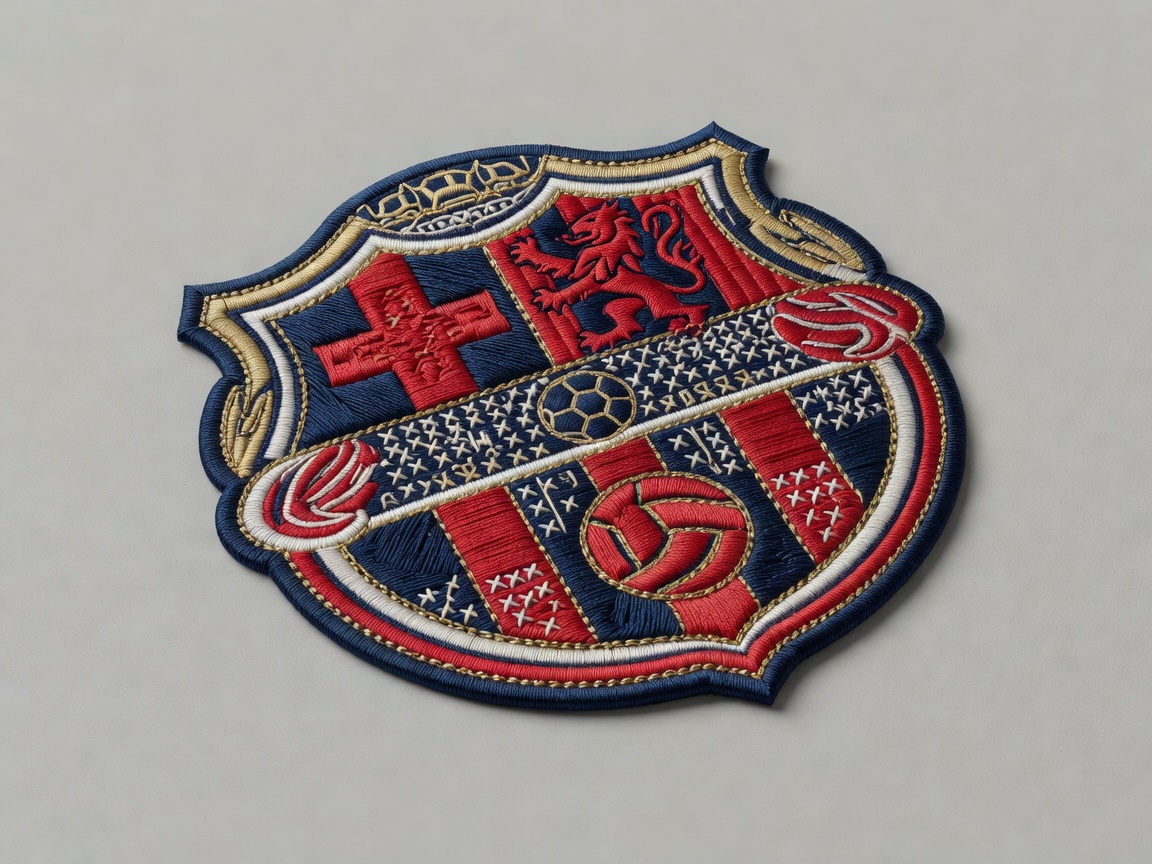
The crest is the hardest part to fake well. On a genuine embroidered badge, the thread density is even and the edges are crisp. Look at the back as well: a clean backing and neat finish are signs of care. On bonded crests, edges should be flat and uniform, not peeling or glossy.
Check the seams. Straight, even stitching along the shoulders, sides and hem is typical of the real thing. Puckered seams, uneven thread tension and stray glue residue point the other way. Compare the shirt with official photos from the club store, zooming in on the badge and collar.
Print and Lettering
Competitions prescribe their lettering. The Premier League, for example, uses its own name and number font, and the numerals are specific in shape and spacing. Fakers often use generic fonts or space the letters unevenly. Compare any printed name and number with photographs from the club's official store.
Run a finger over sponsor prints. Genuine ones are smooth and flexible, matched to the fabric. Prints that crackle, bubble, feel thick like a sticker or have fuzzy edges deserve suspicion, especially on a shirt that is supposedly new.
If You Have Been Caught Out
Contact the seller and ask for a refund, keeping all messages. If you paid by credit card for an item costing between £100 and £30,000, Section 75 of the Consumer Credit Act 1974 may give you a claim against the card provider. Payment services such as PayPal also run buyer protection schemes.
You can report sellers of counterfeits to Trading Standards via Citizens Advice, and to the marketplace itself. Please do not resell a shirt you suspect is fake. Then take a look at our kit questions and our guide to buying the real thing.