Guide 2 · Eras
From Wool to Recycled Polyester
The Kit Eras at a Glance
- Pre-1960sHeavy wool and cotton, laced collars. Numbers on backs arrive with the 1933 FA Cup final.
- 1960sUmbro's lighter fabrics. England wear Umbro in 1966.
- 1970sAdmiral and the first mass replicas. Leeds United 1974. Kettering Town carry a sponsor in 1976.
- 1980sSponsors everywhere: Hitachi at Liverpool, Sharp at Manchester United.
- 1990sBaggy cuts, the Premier League begins, Arsenal's "bruised banana" away.
- 2000sTight performance fits and heat-pressed technology.
- 2010sRecycled polyester, sleeve sponsors in the Premier League.
- 2020sLighter, bonded builds and a retro reissue boom.
Wool, Cotton and Laces
Early football shirts were built for durability, not comfort. Clubs wore thick wool or heavy cotton jerseys with laced collars, which grew heavy when soaked by rain and mud. Colours came from simple dyes and were chosen for identity: stripes, hoops and halves that could be told apart from a distance.
Squad numbers on the back arrived gradually. Everton and Manchester City wore numbers in the 1933 FA Cup final, a landmark often cited as the first. Shirts from this period are museum pieces, and what survive are mostly match-worn originals rather than anything sold to fans.
Umbro and the Diamond
Umbro, founded in Cheshire, became the quiet giant of British kit-making. Its lighter cotton and nylon shirts helped define the look of the 1960s, and England wore Umbro in 1966. The double diamond logo is the quickest way to place a shirt in the post-war decades.
Umbro returned to prominence in the 1990s, making Manchester United's kits from 1992 to 2002. Those baggy, collared shirts are now among the most-collected of the Premier League era, so condition and authenticity checks matter more than ever.
Admiral and the First Replicas
Admiral changed the business of football shirts. Its 1974 Leeds United kit is widely credited as the first replica sold to supporters at scale, and it dressed England from 1974. Fans could suddenly wear what their heroes wore, and the club shop became a revenue stream.
Admiral's bold trims, contrast piping and bright colour blocks make its shirts easy to spot. They also make the originals fragile: old synthetics from this era yellow and crack, so check fabric closely before you buy a vintage example.
The Sponsor Eras
Shirt sponsorship started as a rebellion. Kettering Town wore a sponsor's name in 1976 and were told to remove it, but the rules relaxed within a few years. Liverpool's Hitachi deal began in 1979, and Manchester United wore Sharp from 1982. Logos changed the look of every shirt, and they also give collectors a reliable dating tool.
The Premier League added sleeve sponsors from the 2017–18 season, so a shirt with no sleeve patch cannot be from that era onwards. Counterfeiters sometimes forget such details, which is worth knowing before you buy.
Adidas, Nike and the Global Kit
Adidas's three stripes have been on top-level shirts for decades, from Arsenal in the 1980s to the "bruised banana" away shirt of 1991. Nike arrived at Manchester United in 2002 and turned the club shirt into a global product, launching in multiple colours each year.
Puma, Kappa and others carved out their own followings. Kappa dressed Juventus in the 1990s and its body-hugging look is still prized. As the brands gained power, kit launches became events and shirts moved from wardrobe staples to fashion items, which also made them a prime target for fakes.
Recycled Polyester and Boots
The recycled era started in earnest in 2010, when Nike made national team shirts for the World Cup from recycled plastic bottles, roughly eight per shirt. Today most major brands use recycled polyester in large parts of their ranges, and shirts are lighter and more breathable than ever.
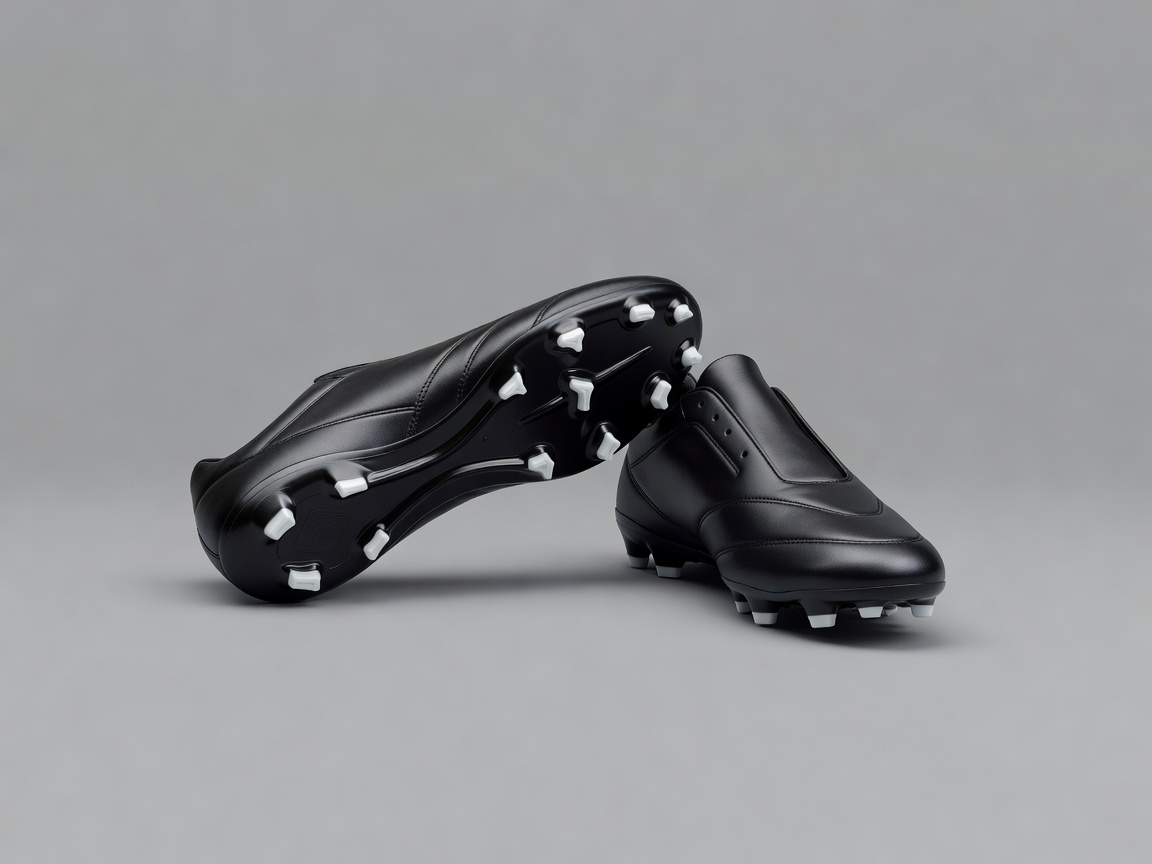
Boots tell a parallel story. Puma's King appeared in 1968 and Adidas's Copa Mundial in 1979, and both are still sold in updated forms. When you restore or frame a shirt, a matching pair of boots makes a fitting companion.